
Every year, on a hill near the Folk University of Artistic Craftsmanship, an annual outdoor event takes place that attracts the attention of both residents and tourists from all over the country.
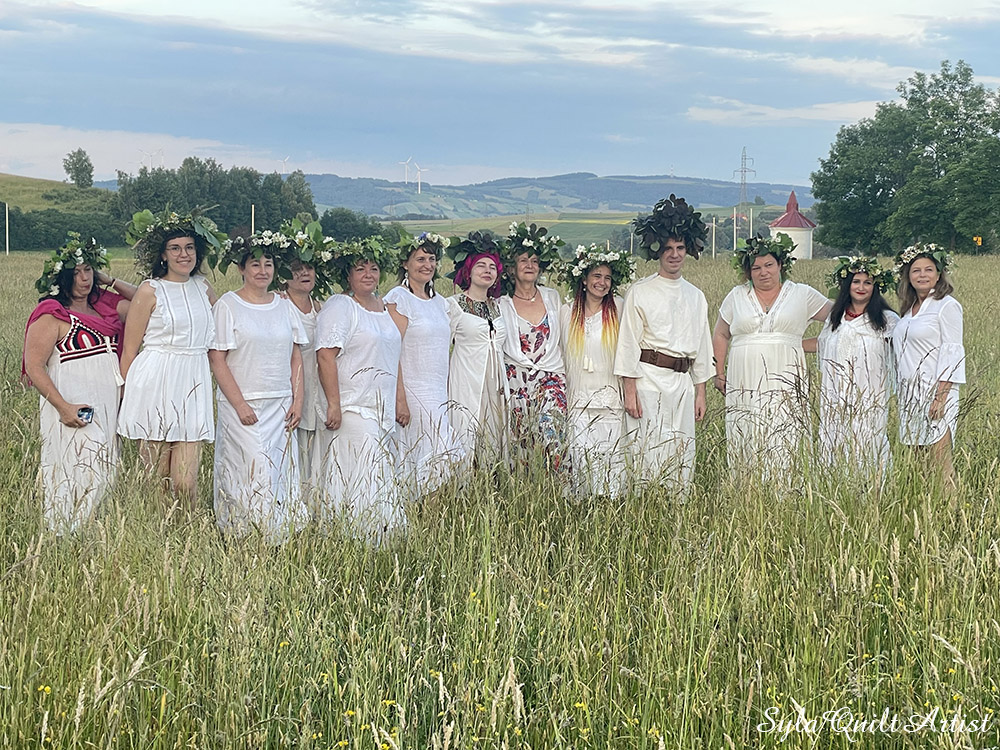
This event, known as Wierzbin, is a spectacular spectacle that refers to the Slavic Sobótka. Participants and graduates of the Folk University, dressed in costumes, prepare a para-theatrical performance that is full of dance, fire, light, and music. The climax is the burning of a several-meter high figure woven from wicker, which symbolizes purification and a new beginning.
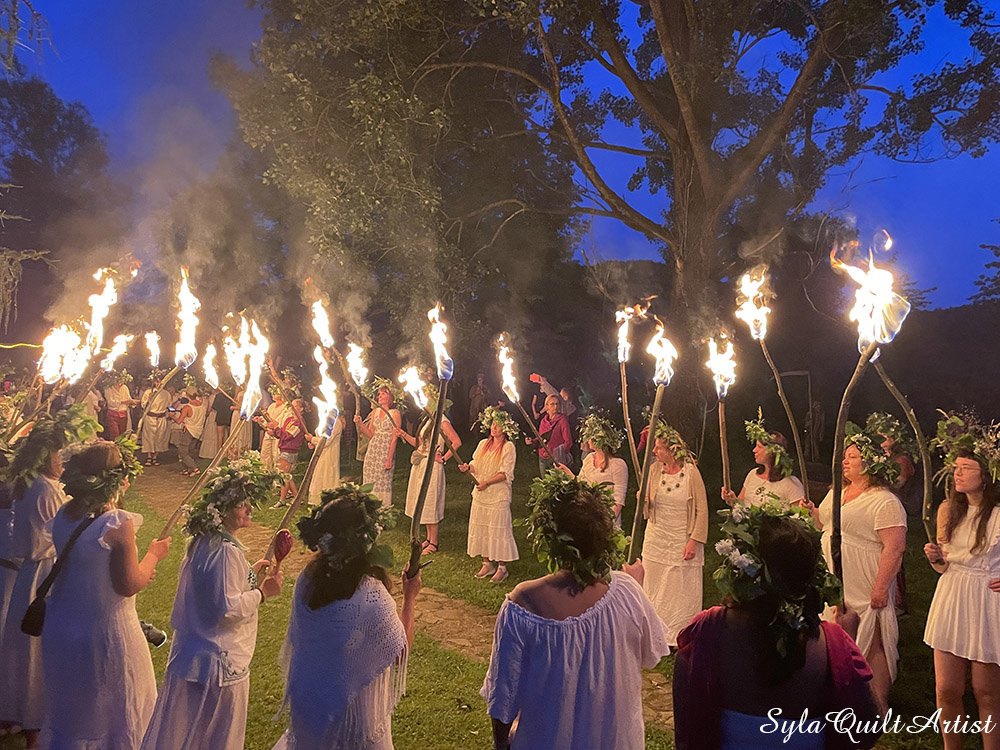
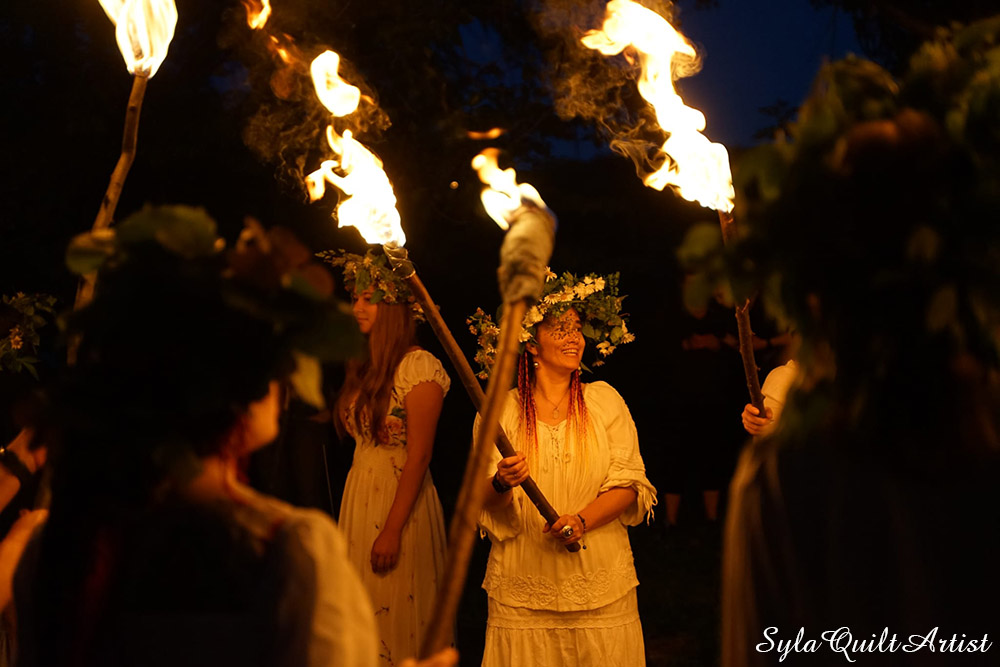
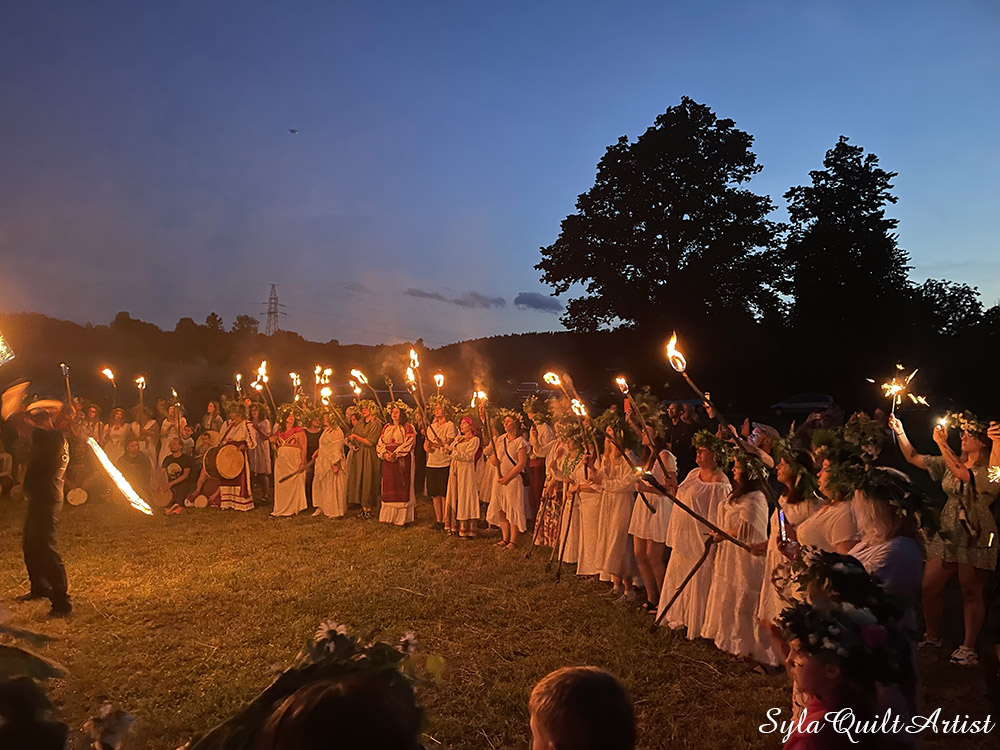
Wierzbin is also a tribute to the master of wickerwork, Zdzisława Kwasek, who passed his passion for wicker to many apprentices and instructors. Thanks to him, wicker has become an integral part of the Folk University, and the traditions of wickerwork have been enriched with new artistic dimensions.
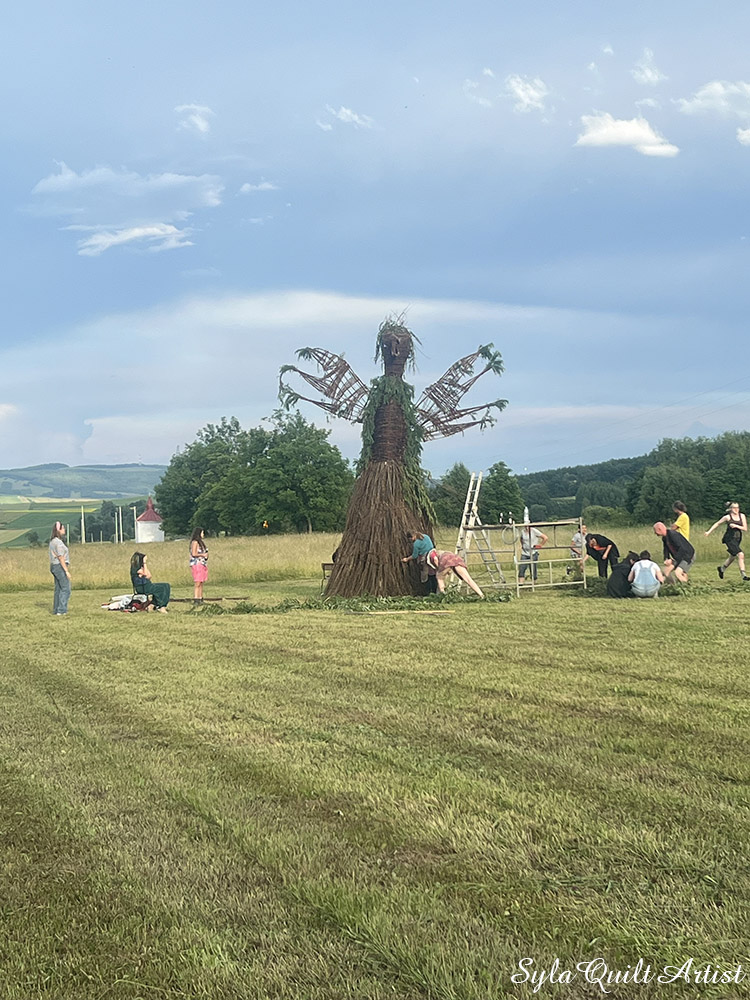
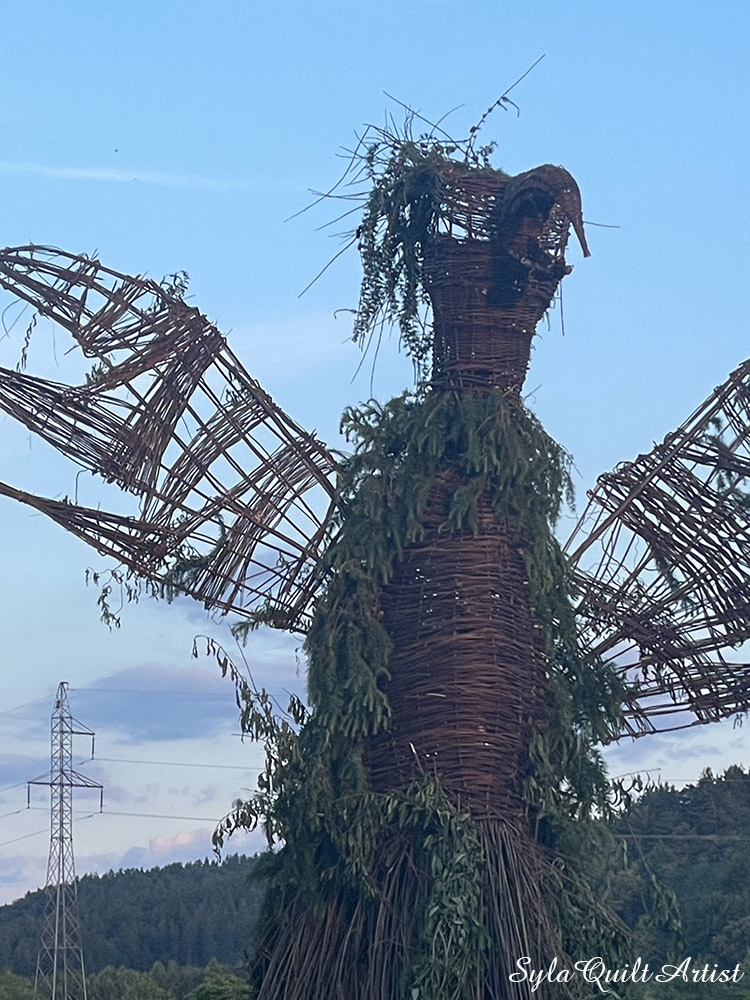
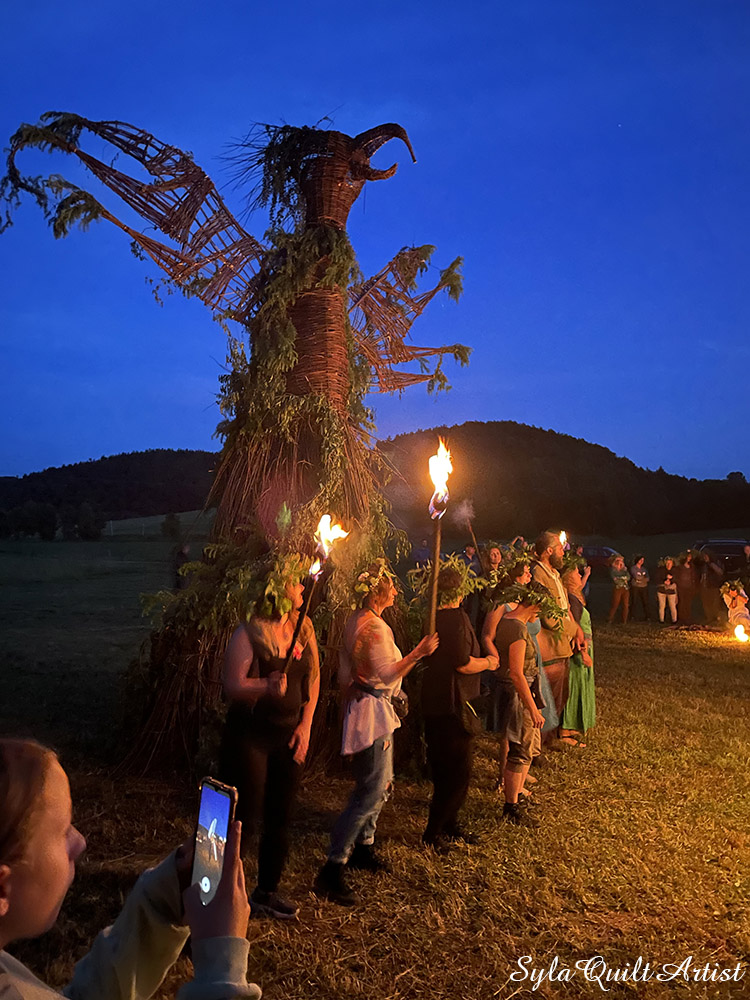
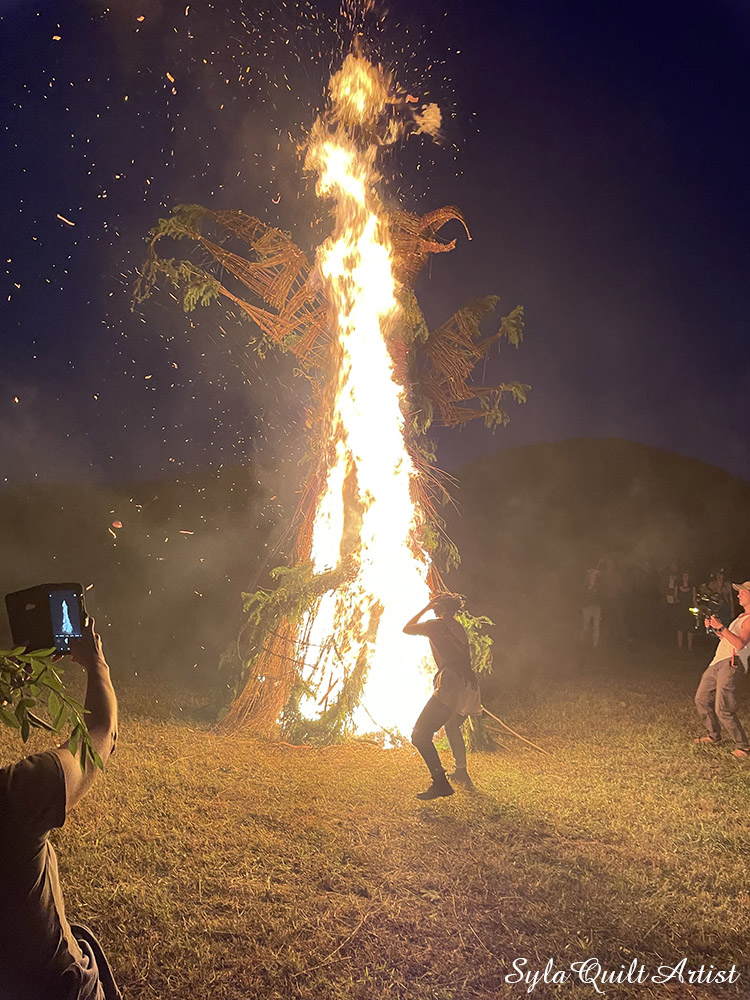
Wicker, being natural or peeled willow twigs, is perceived as a plant with magical properties. In folk beliefs, it symbolizes health, happiness, fertility, and vital forces. It is a material that is gaining increasing recognition not only among craftsmen but also artists, architects, and ecologists.
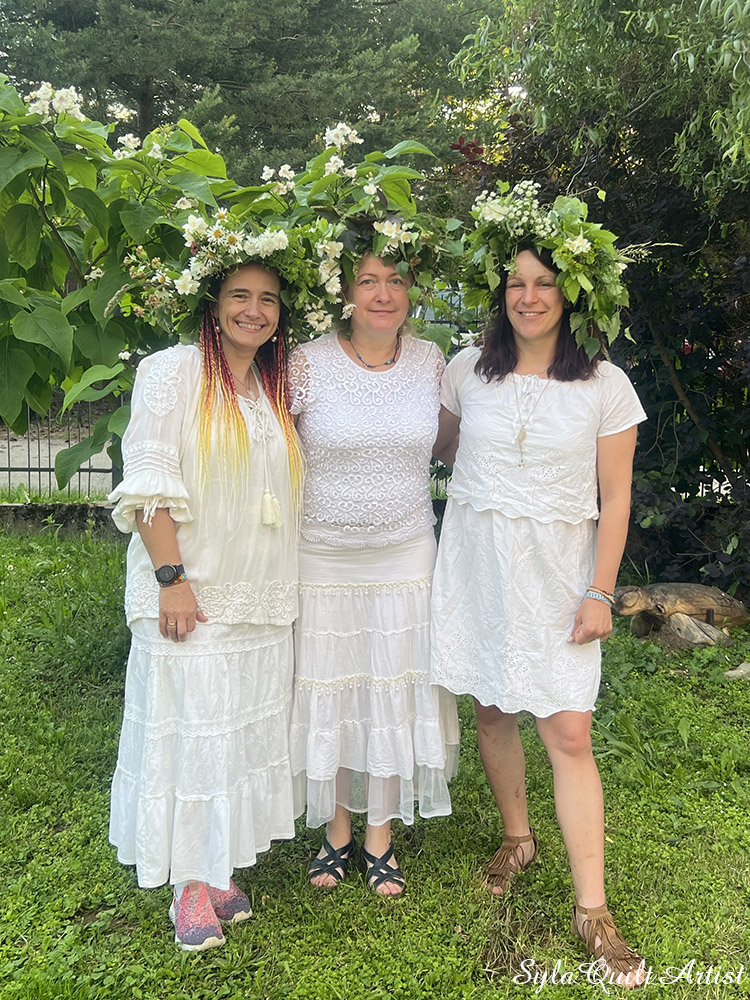
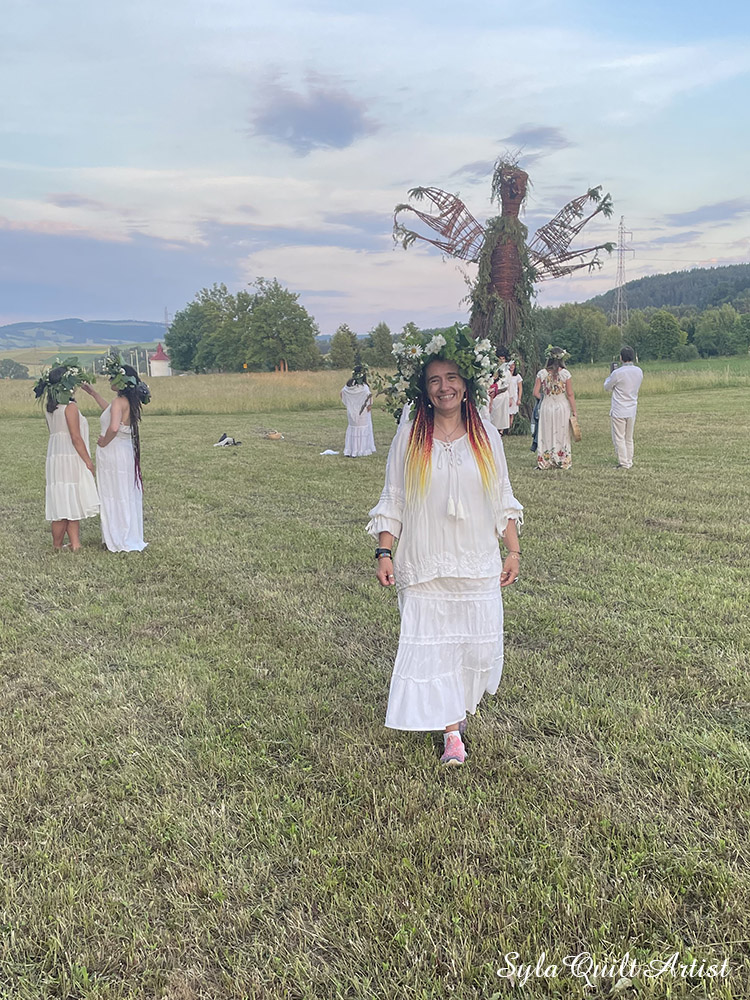
Wierzbin from Wola Sękowa is an example of how local traditions can be nurtured and developed in a way that connects generations and cultures. It’s a place where everyone can find something for themselves, whether through participation in workshops or as a spectator of this extraordinary event. It is proof that folk craft and art have their irreplaceable place in culture and in people’s hearts.
Komentarze