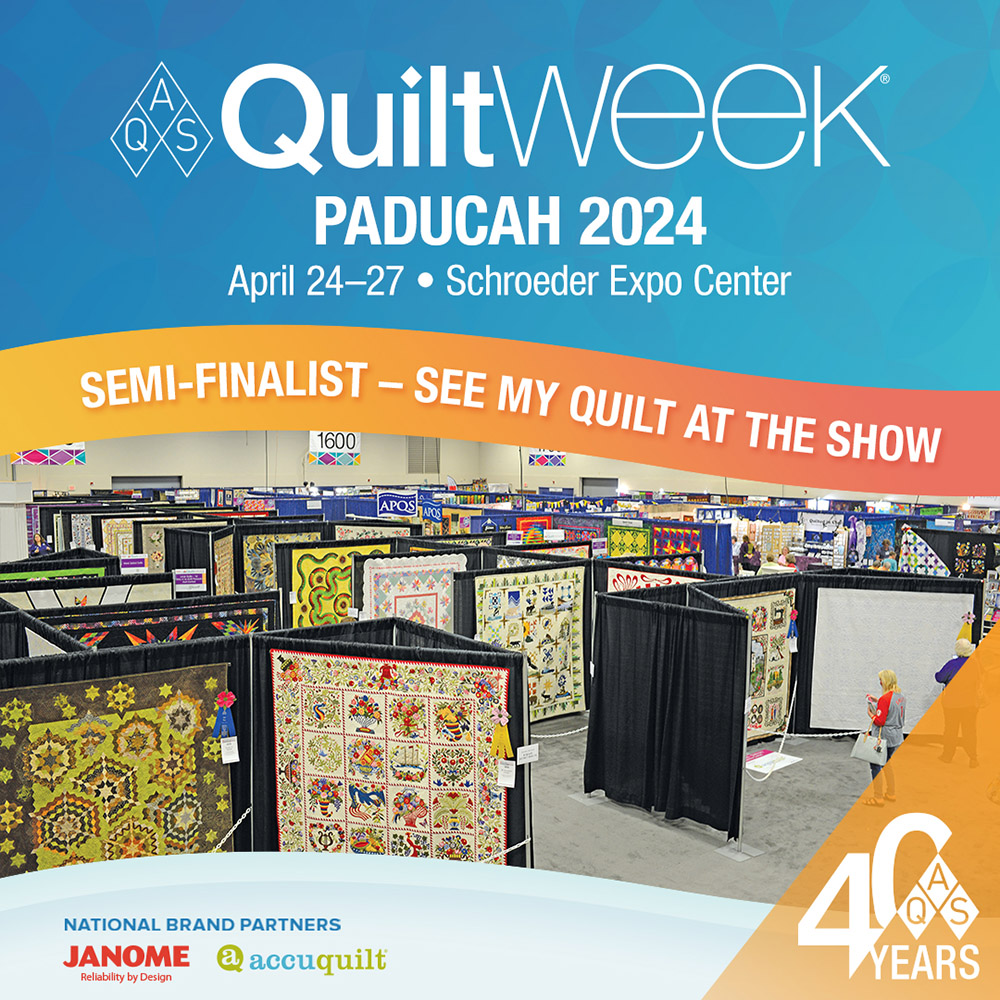
First, let me share some exciting news! I managed to become a semifinalist in the AQS QuiltWeek® – Paducah 2024 show, and I am incredibly proud of it. Thank you for your support, dreaming is always worthwhile!
Now back to reality… So much has been happening lately! There are only three months left, so it’s time to slowly wrap up the semester.
I’ll start with ethnography led by Helena Urbańczyk. I finally passed this subject. I must admit I was quite stressed, but I made it!
I passed Art History, taught by Beata Bałut, a while ago, and I’m very pleased with it. Sometimes putting effort into a subject really pays off.
I had embroidery and lace classes with Anna Sawicka. I finished my Romanian lace, and additionally, I did a regional embroidery called “Kashubian Żukowska school” using flat stitches and string.
The origins of Kashubian embroidery date back to the 13th century and were associated with female religious congregations, such as the Norbertine nuns from Żukowo and the Benedictine nuns from Żarnowiec. In the Żukowo school, embroidery is characterized by seven colors, with blue being predominant. The patterns are simple and reminiscent of monastery embroideries. The Żukowo school was established in 1935 and continued the tradition of Norbertine convent embroidery. Sisters Jadwiga and Zofia Ptach from Żukowo were its promoters.
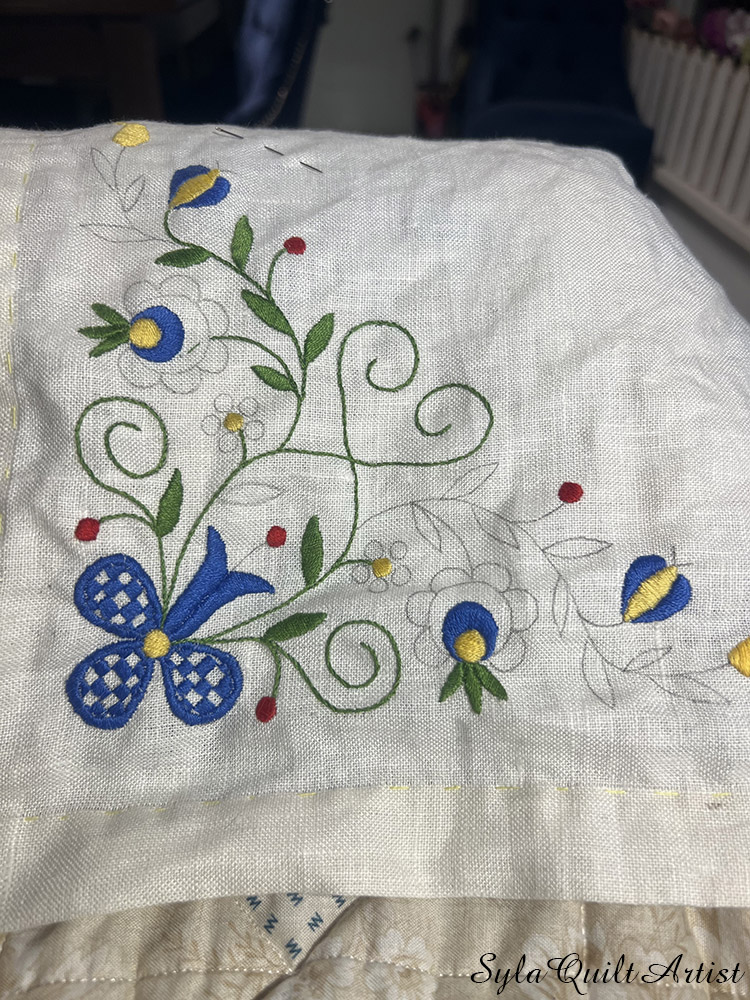
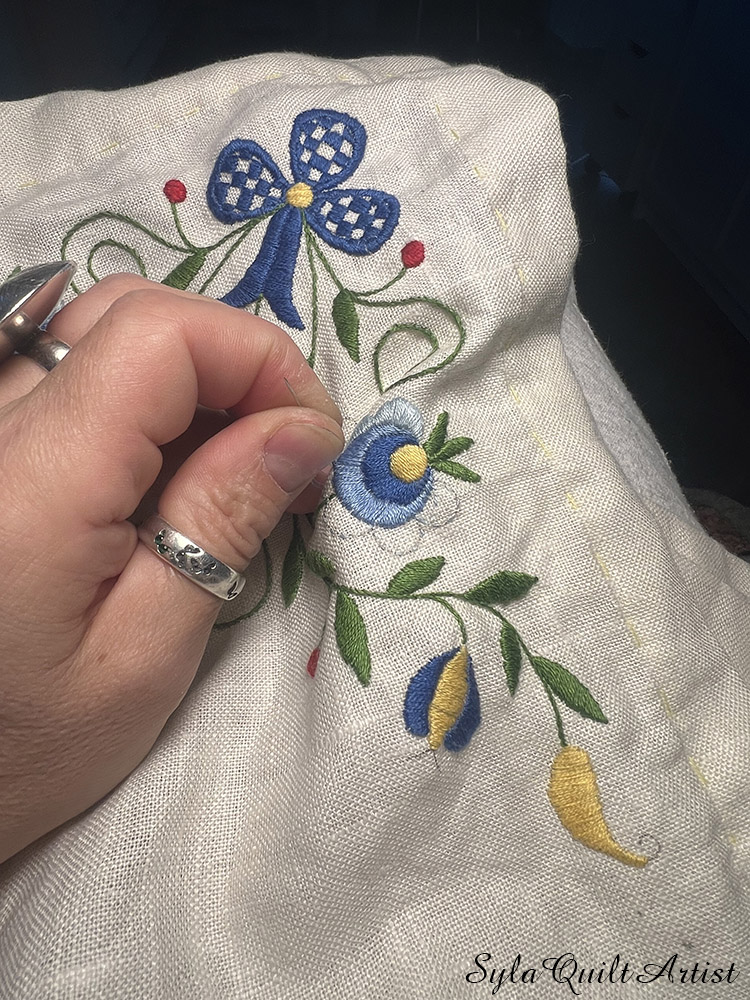
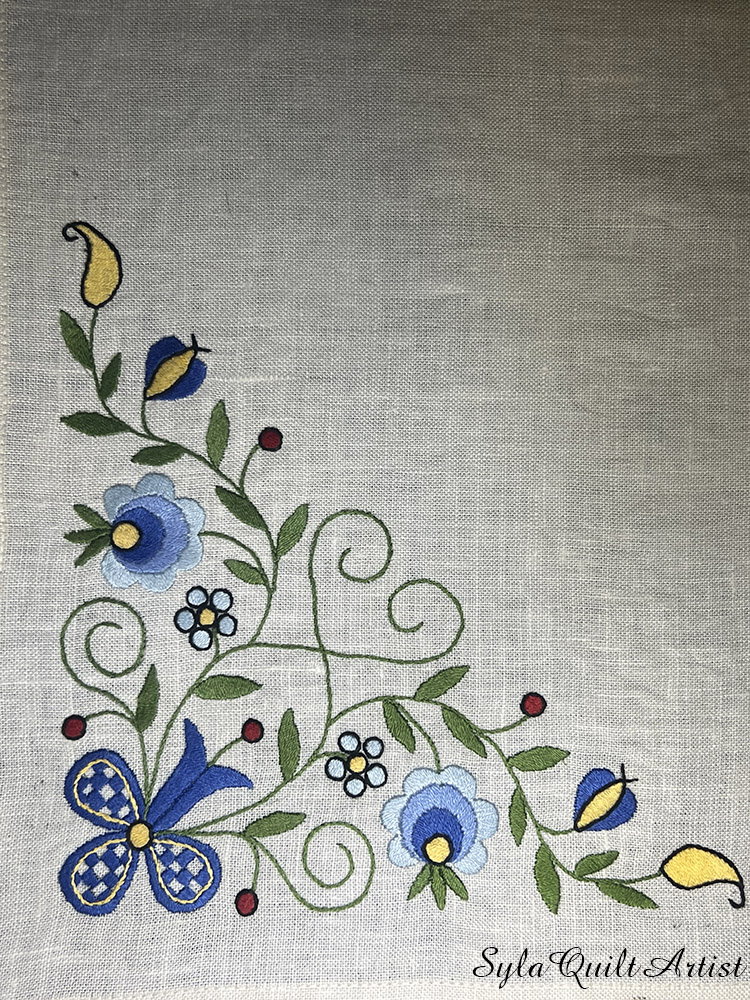
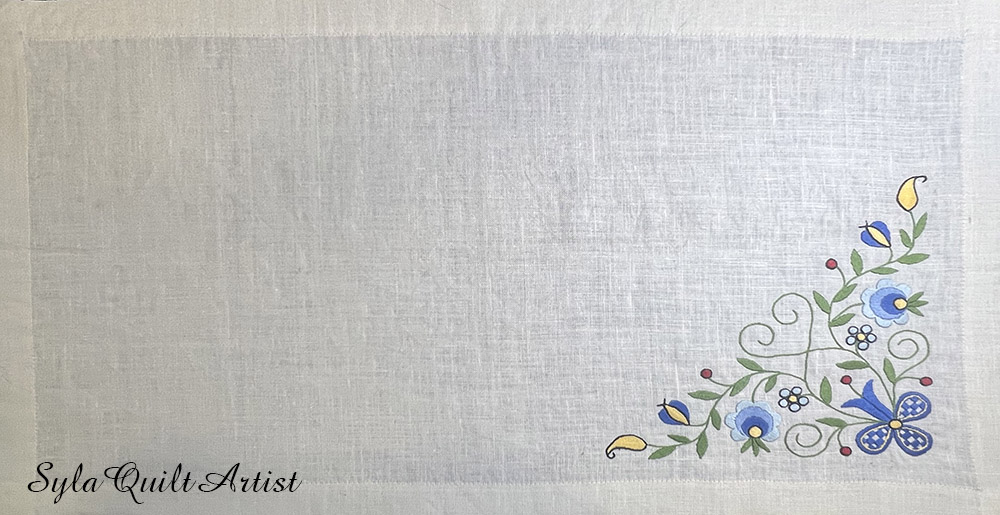
Kashubian embroidery is not just a thing of the past; it’s a living tradition that continues to inspire modern design. Thanks to Etno designs, different variations of Kashubian embroidery continue to inspire and delight with their beautiful simplicity.
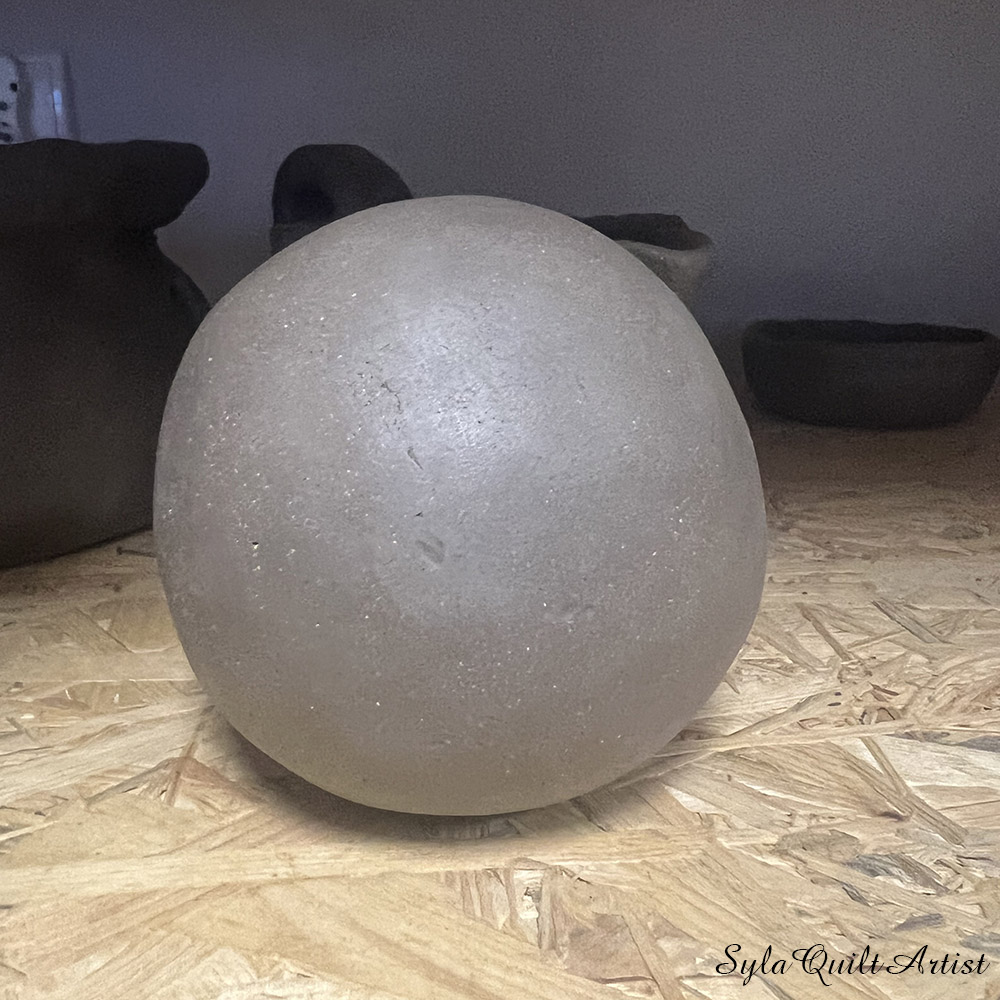
This time in ceramics, I prepared vessels for Raku firing. Raku is a method where vessels are removed from the kiln (at temperatures of 900–1150°C) using special tongs. Then they undergo reduction, for example, in water, sawdust, or grass, leaving traces on the vessels in the form of tool imprints, grass, and leaves. I made a sphere, and I believe it will look beautiful after applying this method.
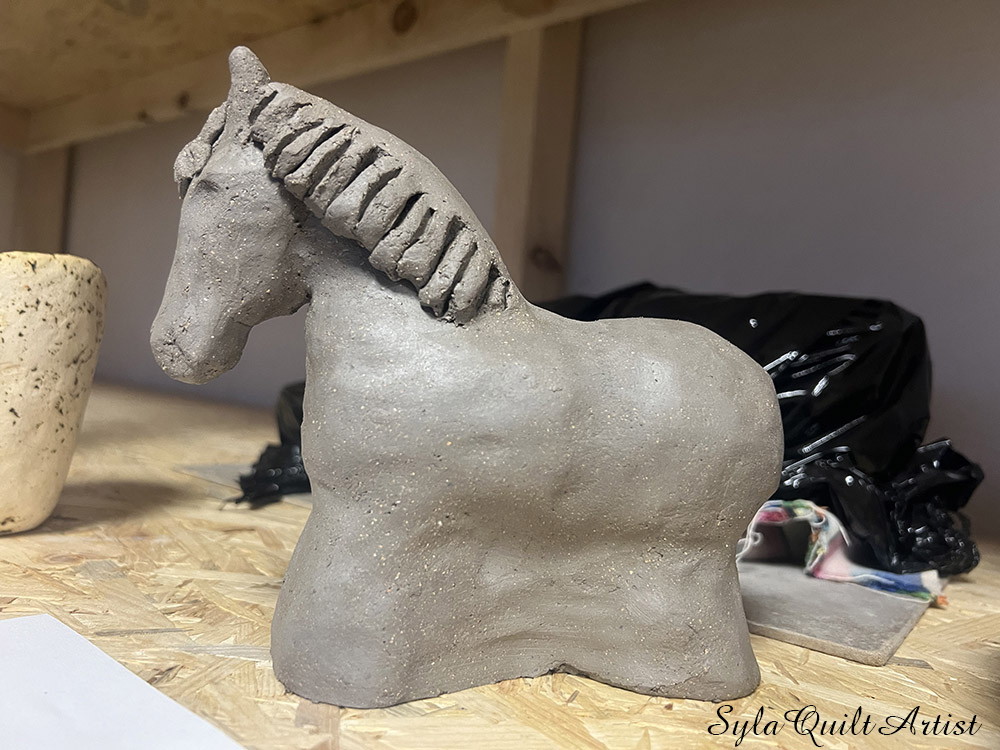
I also made a little horse figurine. For this, we used pit firing. Pit firing is a primitive method of engulfing ceramics, used by many cultures worldwide for centuries. It allows for unique effects on the ceramic surface. Finished ceramic pieces are arranged in a pit dug in the ground, layered with sawdust and interspersed with twigs, and finally covered with a stack of wood. Then the wood is ignited from the top. For several hours, wood is added until the fire reaches the bottom of the pit. The temperature inside the pit can reach up to 1000°C. After firing, the pit is covered and left to cool. Let’s see if my little horse survives this process.
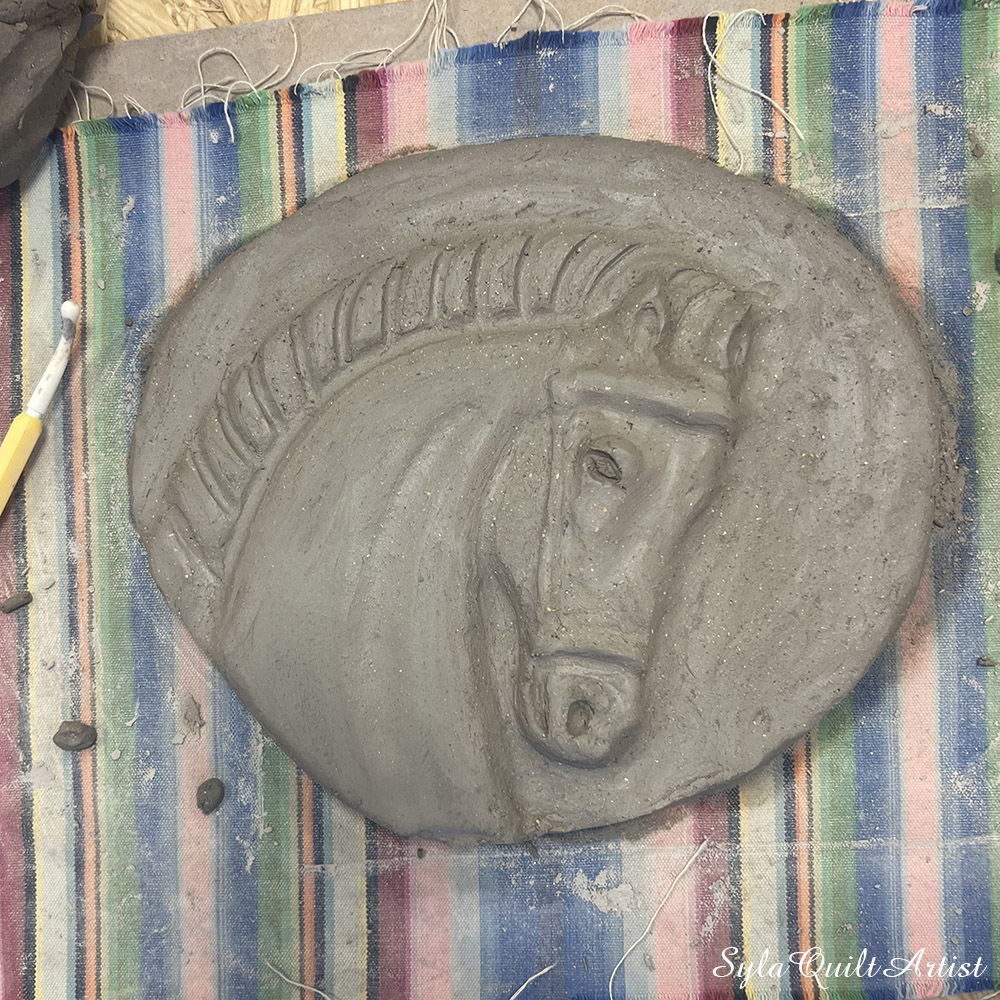
I’ve also started wood sculpture classes with Maria Kondrad. Initially, before we even touched the chisels, we worked on bas-reliefs in clay.
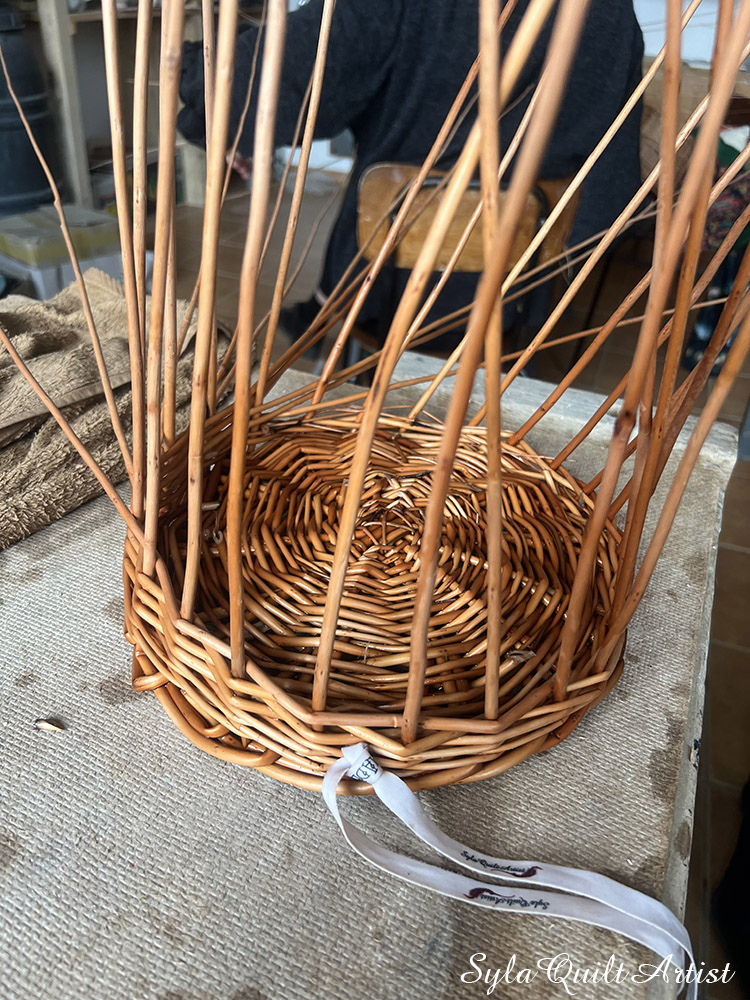
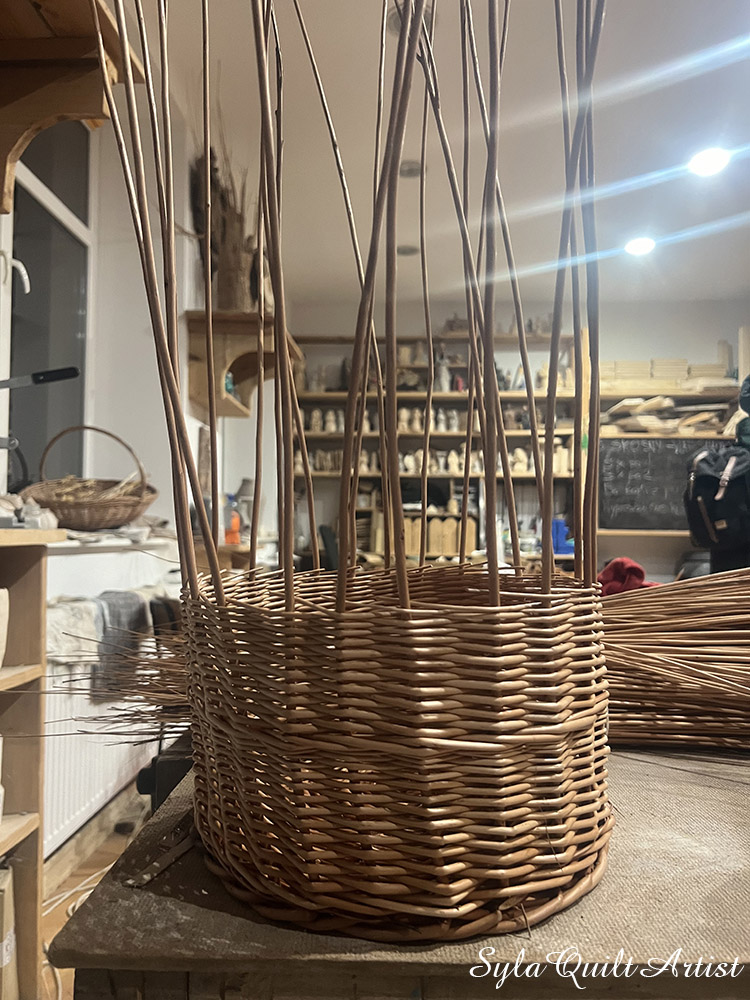
Then came the time for wickerwork. I dream of mastering this art perfectly. I need to buy some wicker to practice at home. Our wickerwork supervisor, Katarzyna Onacko, recommends it if we want to excel in this craft.
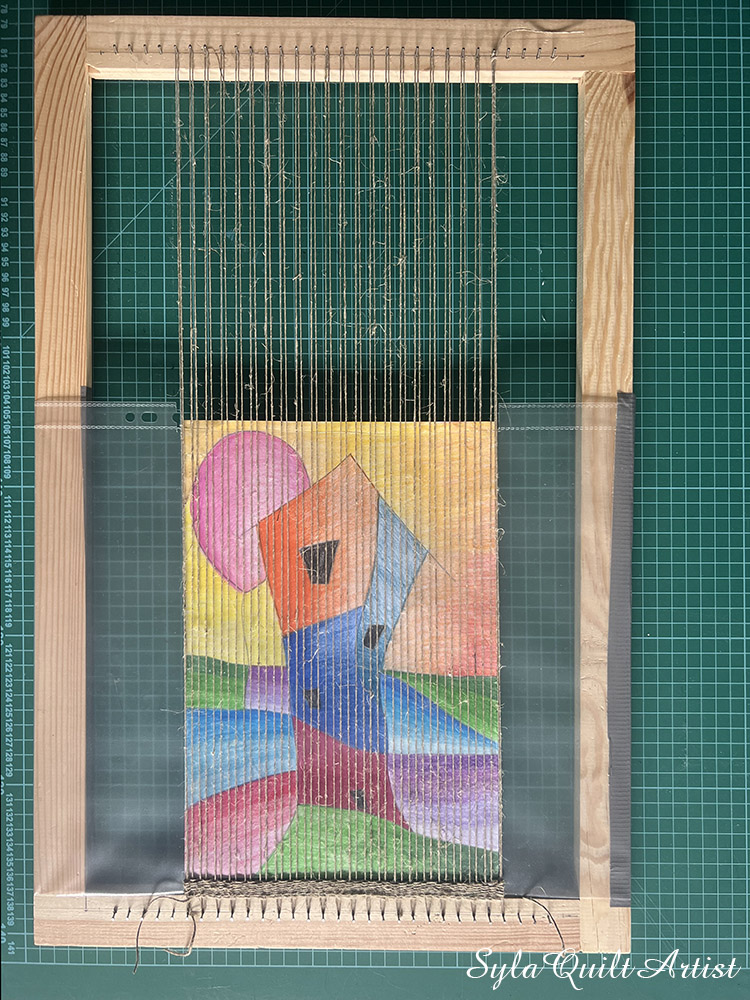
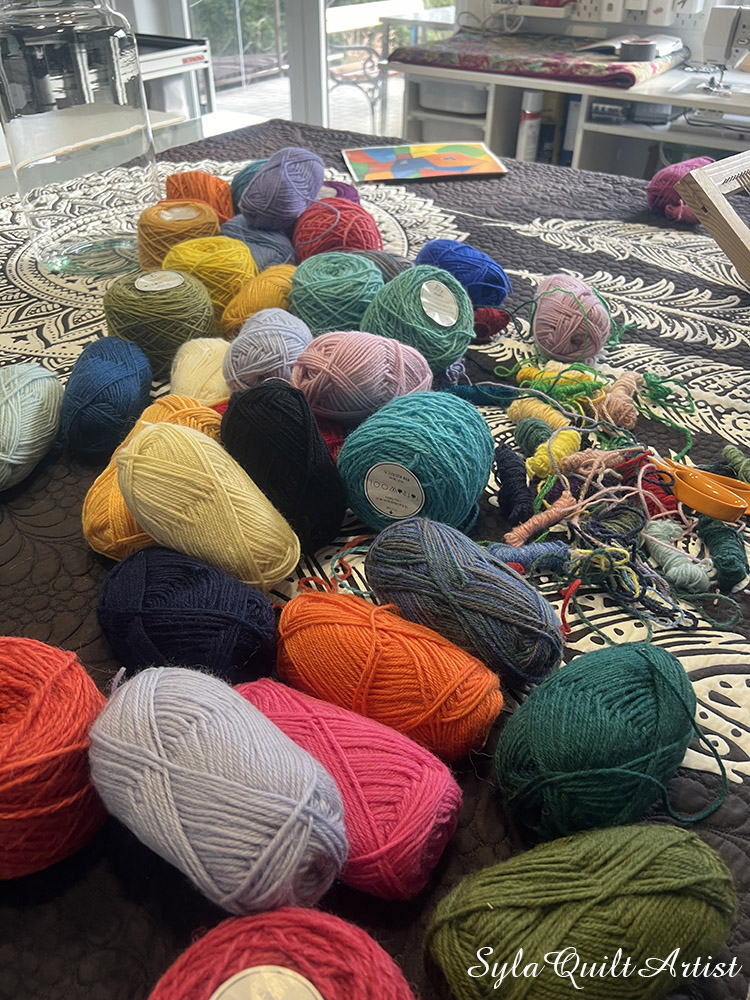
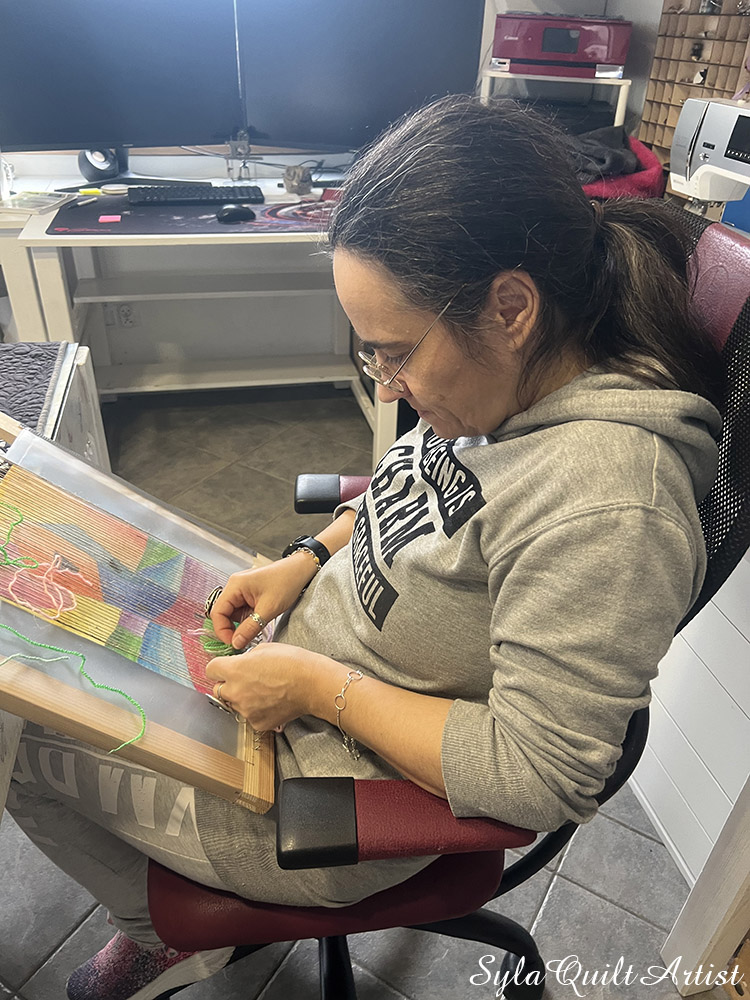
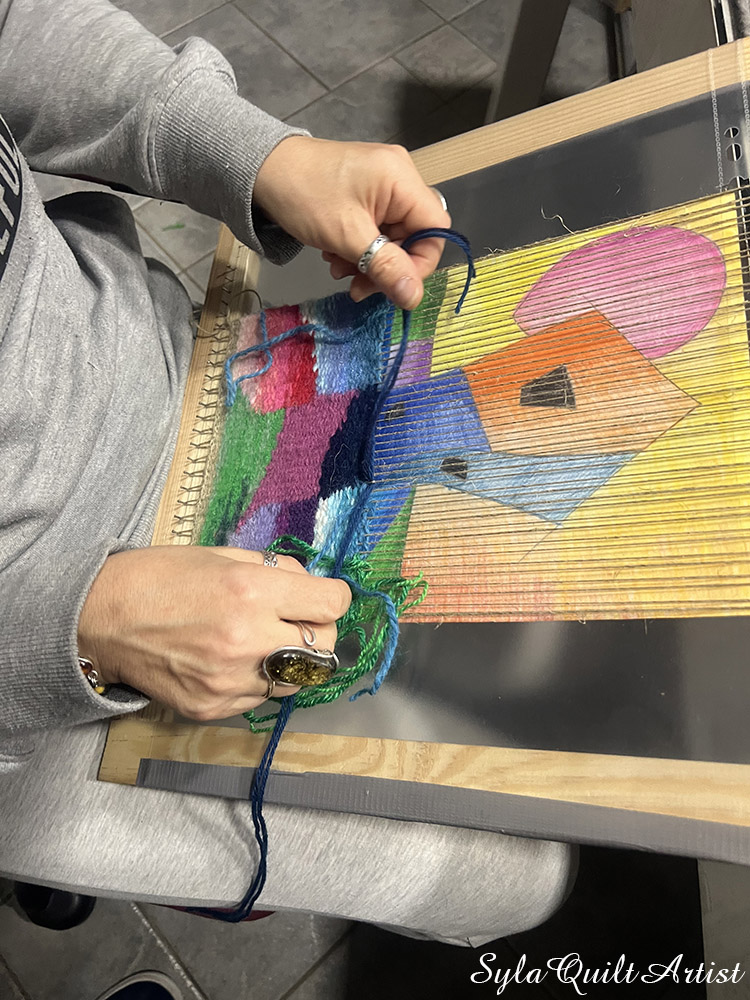
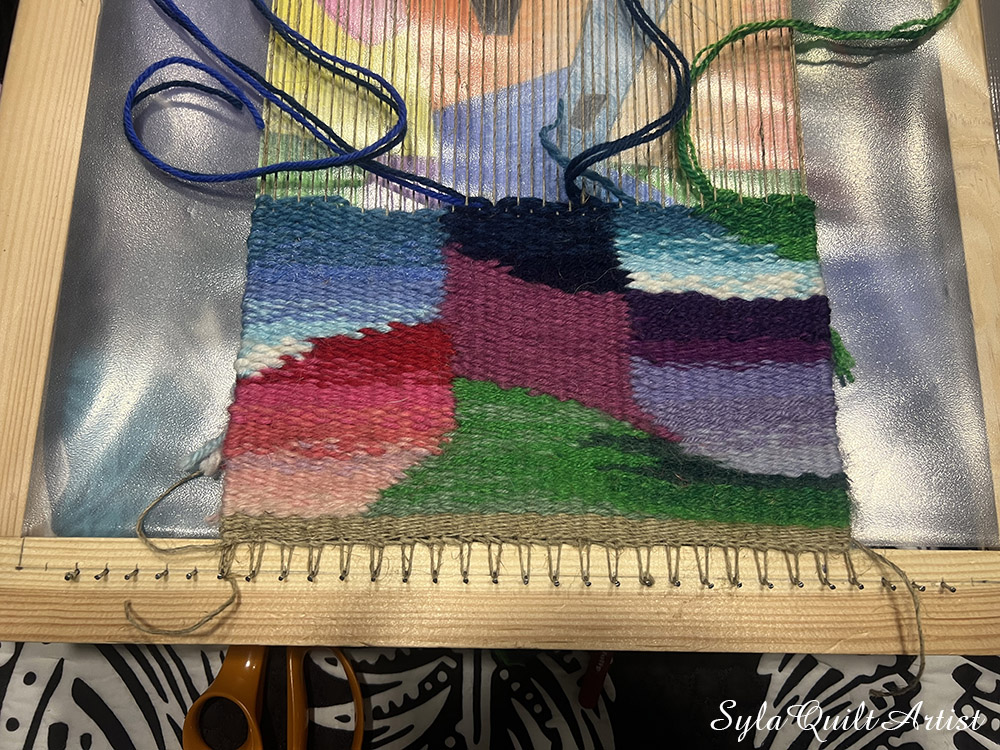
Finally, the most labor-intensive class, weaving, was led by Ewelina Matusiak-Wyderka. I have to say, it seemed so simple at first.
Komentarze